AUDIO IS STILL KING
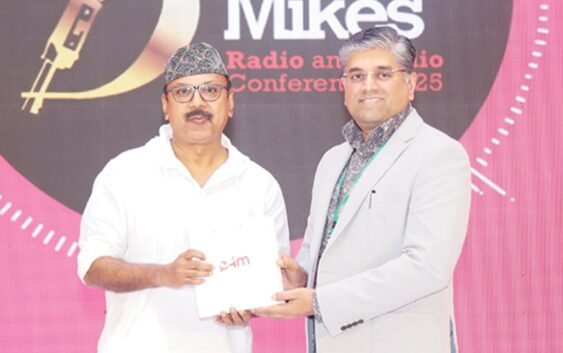
Exchange4media Group organized the e4m Golden Mikes Conference and Awards 2025 in Mumbai on 28 May 25. This second edition of the event united industry thought leaders, pioneering professionals, and audio content creators for comprehensive discussions centered around the theme “Tune into the Future: Audio in a Digital World.”
The radio and audio conference featured a dynamic program including engaging fireside conversations, compelling keynote presentations, and meaningful panel discussions. As more brands recognize audio’s potential as an effective storytelling platform, the conference aims to explore how digital evolution is reshaping audience interaction patterns.
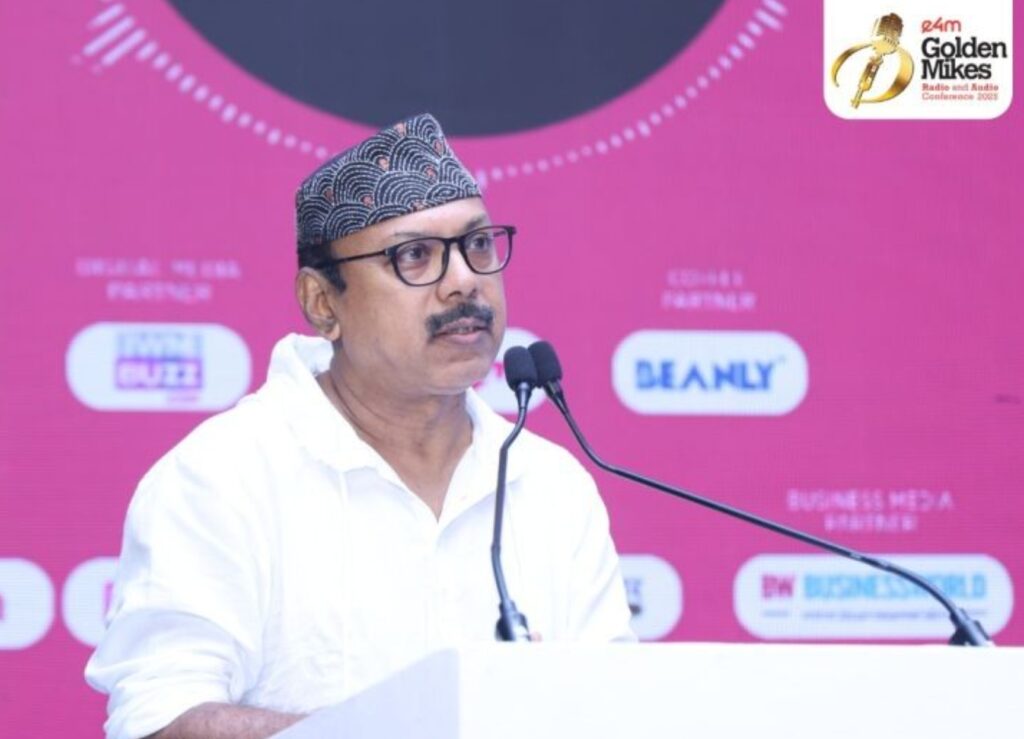
Josy Paul, Chairman and Chief Creative Officer of BBDO India, delivered a deeply emotional keynote address at the e4m Golden Mikes Conference 2025 in Mumbai on May 28, 2025. Titled “Radio! Someone Still Loves You!”, his presentation was not a technical analysis but rather a heartfelt love letter to the medium that has shaped his career and continues to capture his imagination.
Drawing inspiration from Queen’s classic “Radio Ga Ga,” Paul opened with a vulnerable confession: “I don’t come here as an expert on radio. I come as a lover. So, what I have for you is love, not expertise.” This personal approach set the tone for what would become one of the most memorable presentations at the conference, where industry leaders gathered to explore the theme “Tune into the Future: Audio in a Digital World”.
Paul’s dedication to the medium wasn’t just professional—it was deeply personal. He shared a story about disguising himself as a canteen worker to infiltrate a client meeting and personally pitch a radio campaign when it was threatened to be shelved. “That’s love, man,” he said. “Where you’re willing to look stupid, be absolutely embarrassed, because you want something to happen.”
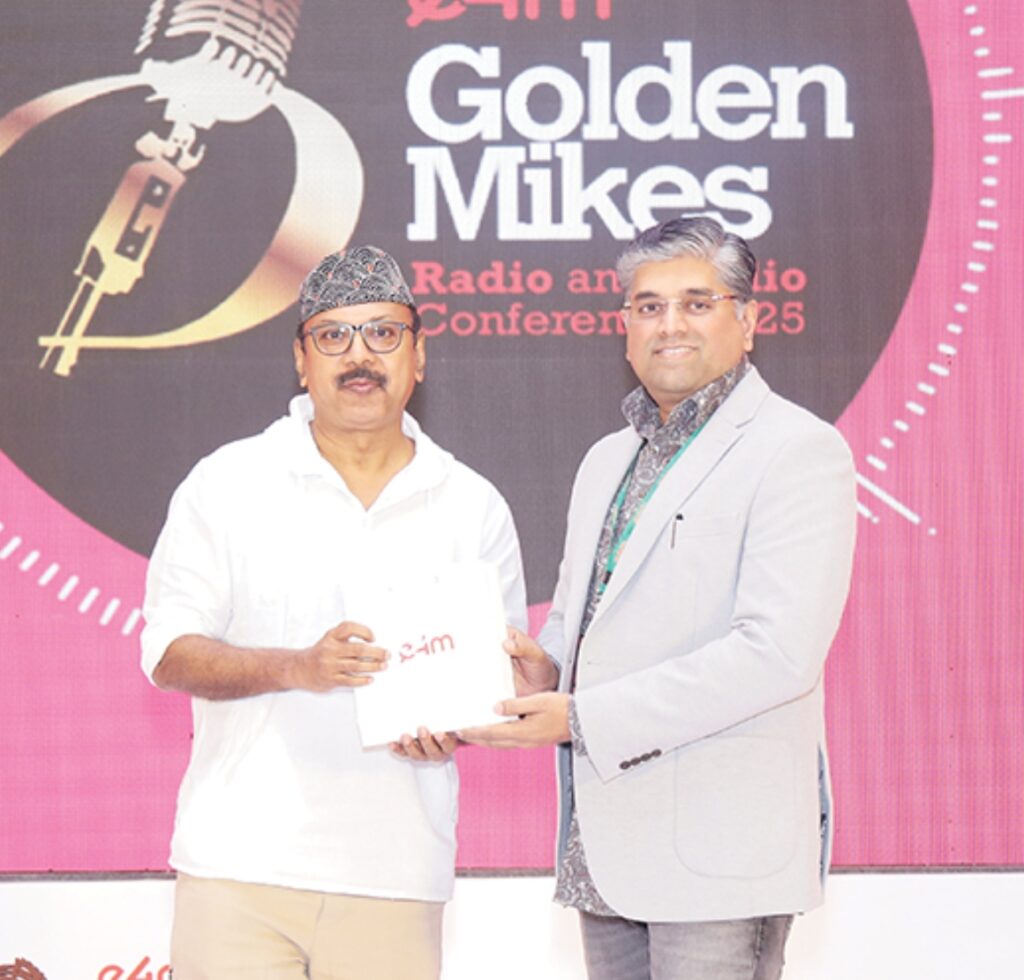
Central to Paul’s keynote was his philosophy about radio’s unique intimacy. He described radio not as a medium, but as something that “transfers itself into your head”. “You become the medium because you’re carrying the image in your head: Every ad becomes your story. Every jingle feels like your song,” he explained.
Paul characterized radio as “an invisible magician” in a world obsessed with visuals. He argued that good radio advertising isn’t an interruption but a performance, emphasizing radio’s deeply participatory nature where listeners become active creators of meaning rather than passive consumers.
The keynote highlighted radio’s unmatched ability to create intimate connections. Paul reflected: “There’s something profoundly intimate about radio. It’s not just what is said, but how it is heard. In a world of noise, radio remains a whisper. The quietest messages are often the ones that echo the longest.” This insight resonates with research showing that radio’s intimate nature allows it to penetrate personal spaces in ways other media cannot.
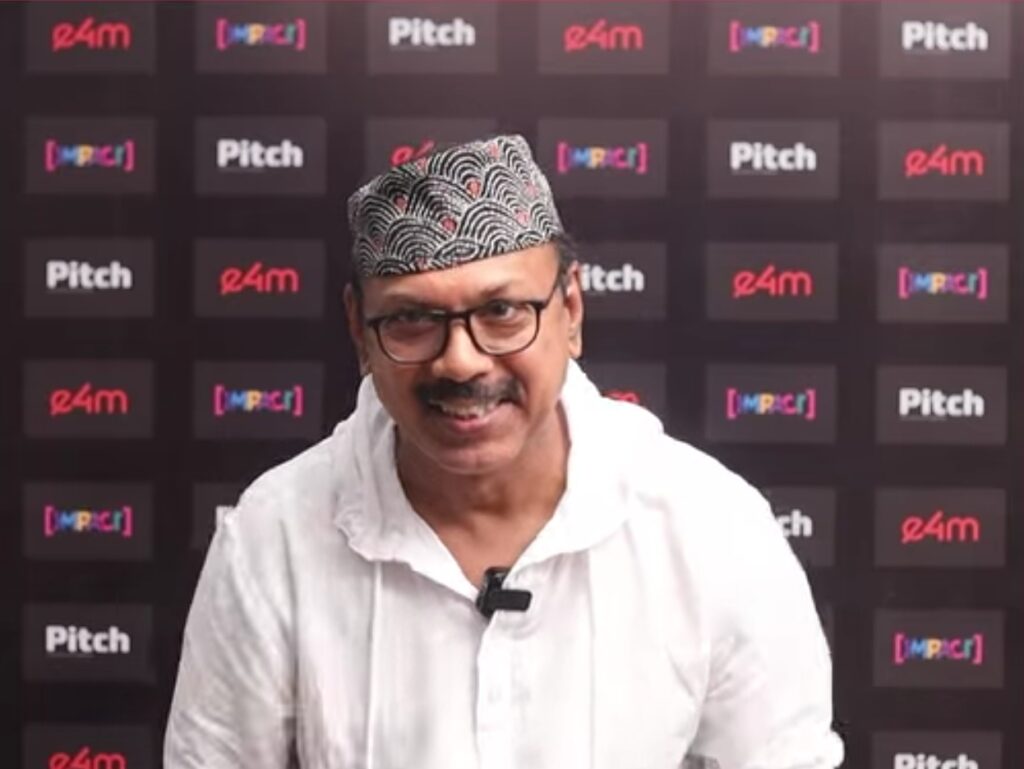
The keynote came at a time when the audio landscape is experiencing significant transformation. The e4m Golden Mikes Conference 2025 brought together thought leaders to discuss how digital innovation is redefining audio creation, sharing, and consumption. Paul’s message served as both a nostalgic tribute and a forward-looking vision for radio’s continued relevance.
Paul concluded his presentation with a powerful statement that encapsulated his entire philosophy: “When the world shuts its eyes, radio still gets through. Radio, someone still loves you.” This sentiment echoed throughout the conference, where Radio Mirchi was named Radio Station of the Year, winning 48 medals across various categories.
Paul’s keynote at e4m Golden Mikes 2025 was more than a professional presentation—it was a manifesto for radio’s enduring power in an increasingly visual world. His journey from a childhood fascinated by cricket commentary to becoming one of India’s most celebrated creative directors illustrates radio’s ability to inspire, transform, and create lasting connections.As the industry continues to evolve with podcasting, AI integration, and interactive audio experiences, Paul’s message serves as a reminder that beneath all technological advancement lies radio’s fundamental strength: its ability to whisper intimately into listeners’ ears and create images in their minds that no screen can match.
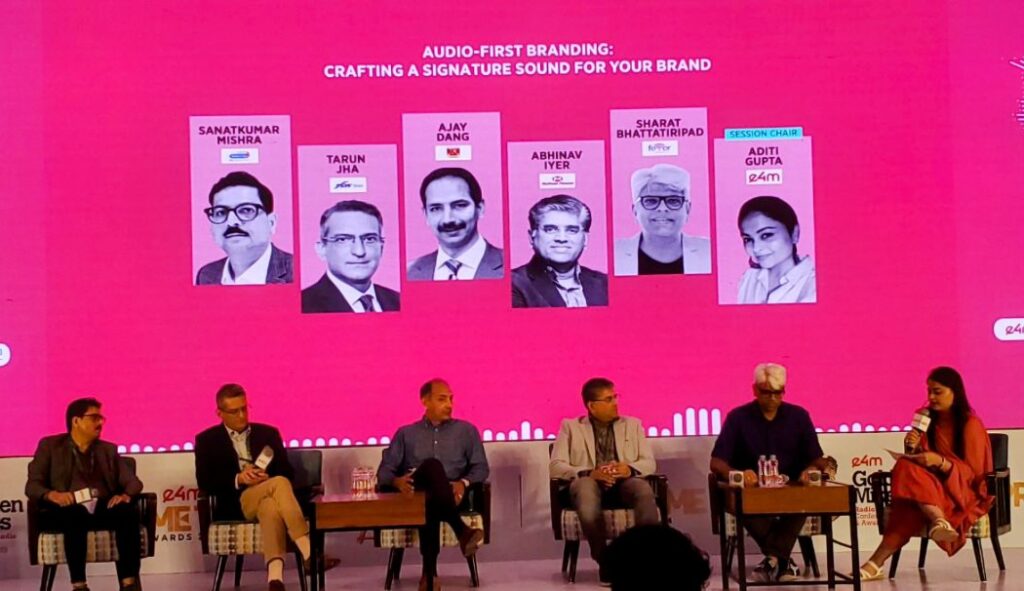
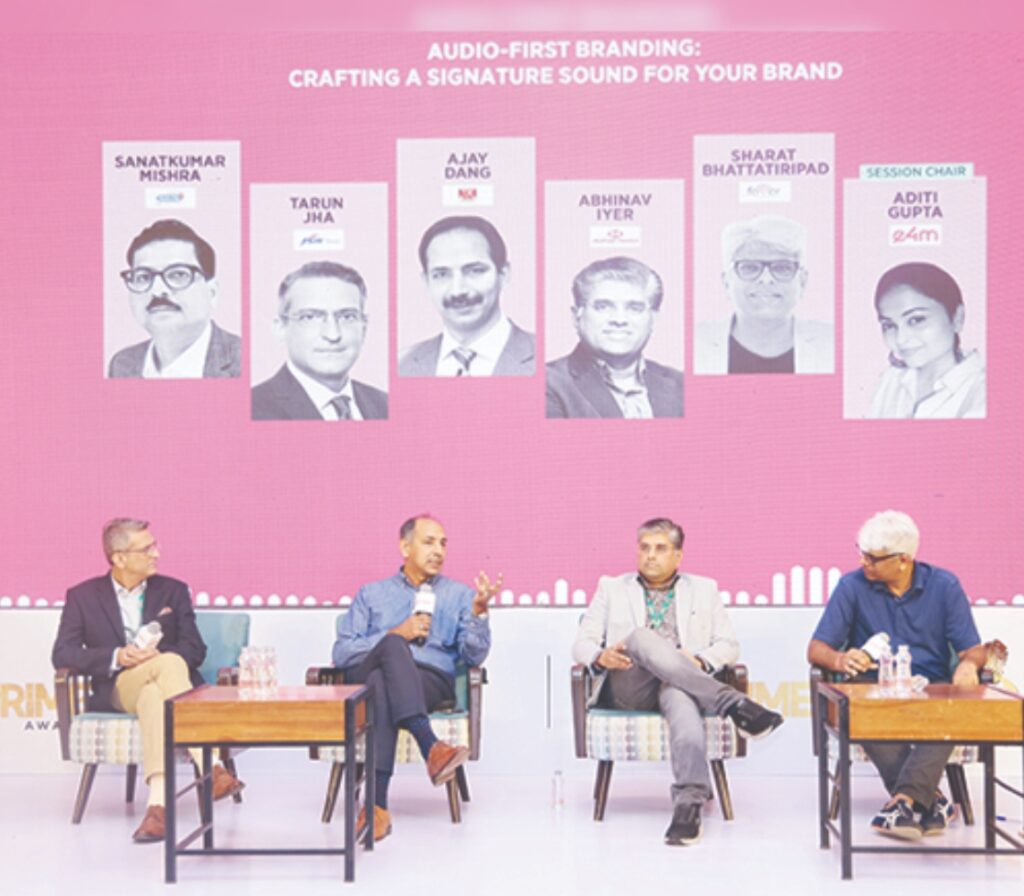
The panel Discussion: Audio-first Branding: Crafting a Signature Sound for Your Brand, panelists were Sanatkumar Mishra Executive Vice President Marketing, Radio City- Tarun Jha Head of Marketing, JSW Steel-Ajay Dang President, Head – Marketing, UltraTech Cement- Abhinav Iyer General Manager, Marketing & Strategy, Muthoot Finance- Sharat Bhattatiripad Head of Content, Fever FM-Session Chair: Aditi Gupta Assistant Editor, e4m, expertly moderated by Aditi Gupta, Assistant Editor at e4m, centered on a fundamental shift in how brands approach identity creation in an increasingly cluttered digital landscape. The conversation revealed that sonic branding has evolved from mere jingles to sophisticated identity systems that create lasting emotional connections with consumers.
Sanatkumar Mishra, Executive Vice President Marketing at Radio City, emphasized during the discussion that brands are yet to fully explore radio’s rich storytelling potential, regional reach, and immersive possibilities. His perspective highlighted a critical gap in the market where many brands continue to underutilize the unique advantages that audio-first platforms offer. Mishra’s experience with Radio City, which has been at the forefront of audio innovation in India, provided valuable insights into how consistent sonic branding can create distinctive brand recall even in highly competitive markets.
A significant theme throughout the discussion was the widespread underutilization of audio branding opportunities across industries. Sanatkumar Mishra particularly emphasized that brands continue to miss significant opportunities in radio marketing, failing to leverage the medium’s unique storytelling capabilities and regional reach. This gap represents substantial potential for brands willing to invest in sophisticated audio strategies.
Ajay Dang, President and Head of Marketing at UltraTech Cement, contributed insights on how radio continues to create emotional intimacy with audiences in a world increasingly dominated by visual content. His perspective was particularly valuable given UltraTech’s extensive use of radio advertising to reach diverse geographic markets across India. Dang highlighted how the medium builds trust and long-term brand recall through voice and storytelling, making it an essential component of integrated marketing strategies.
Tarun Jha, Head of Marketing at JSW Steel Limited, brought the perspective of a B2B brand that has successfully leveraged audio branding to create distinctiveness in an industrial category. His participation demonstrated how sonic branding extends beyond consumer goods to include industrial and corporate brands seeking to establish emotional connections with their stakeholders.
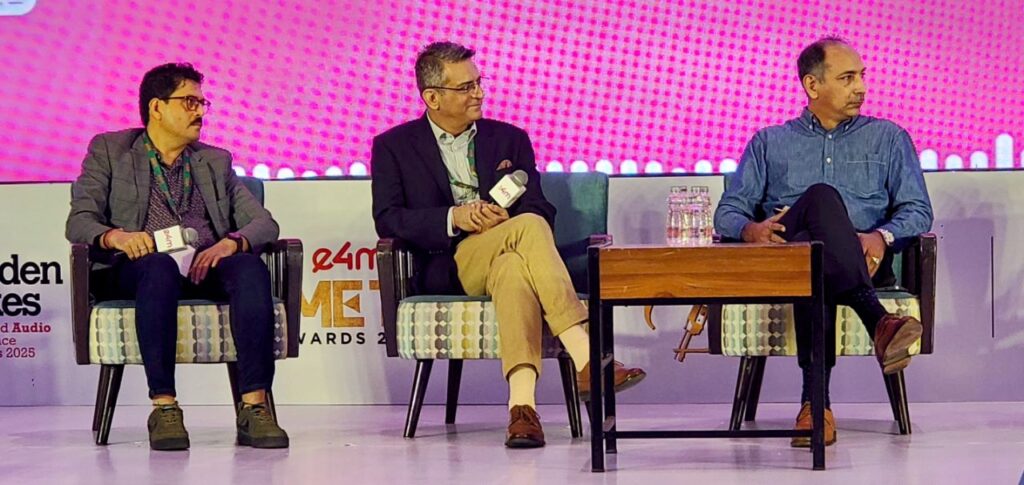
Abhinav Iyer, Senior General Manager Marketing & Strategy at The Muthoot Group, provided insights from the financial services sector, where trust and reliability are paramount. The Muthoot Group has been particularly innovative in their use of radio and audio content, including their “Sunheri Soch” campaign series that utilizes storytelling to transform perceptions about gold loans from distress financing to lifestyle financing. Iyer’s contribution emphasized how sonic branding in financial services requires careful balance between accessibility and authority.
Sharat Bhattatiripad, Head of Content and VP Programming at Fever FM, addressed the critical question of radio’s relevance in a digital-first world. His insights revealed that in today’s multimedia landscape, radio represents authenticity and genuine connection. Bhattatiripad noted that brands are not fully capitalizing on radio’s unique ability to create intimate, personal connections with audiences who are increasingly seeking authentic experiences amid digital saturation.
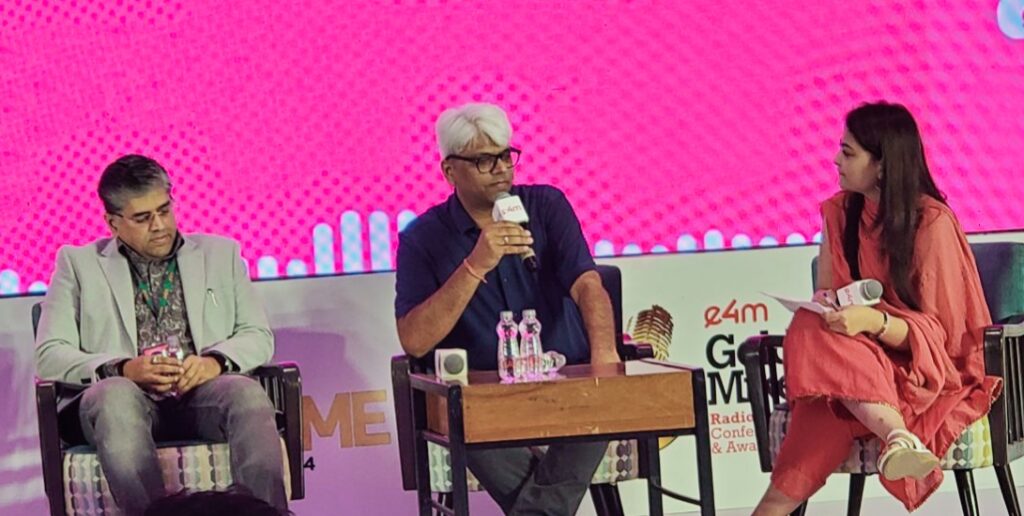
The panel revealed that while digital platforms offer sophisticated targeting capabilities, radio and audio-first branding provide something digital cannot replicate: the intimacy of voice and the power of imagination. This perspective challenged conventional wisdom about digital marketing supremacy and highlighted audio’s unique position in the marketing mix.
The discussion yielded several critical insights that reshape how marketers should approach audio branding. The panelists collectively emphasized that brand sound is not merely a design element but a fundamental component of brand identity. This perspective represents a significant evolution from traditional thinking about jingles or background music to viewing audio as a strategic brand asset.
The panel identified that sound possesses unique characteristics that make it particularly powerful for brand building: it is subtle yet sticky, creating lasting impressions that often operate below conscious awareness. This subliminal quality of audio branding was highlighted as particularly valuable in an era where consumers are increasingly resistant to overt advertising messages.
Perhaps most importantly, the discussion revealed that the most effective audio branding tools are those that integrate so seamlessly into consumer experiences that they become invisible while remaining memorable. This concept of “slipping under the door” represents sophisticated brand integration that enhances rather than interrupts consumer experiences.
The panel extensively discussed how music and audio elements—whether sonic branding, digital signatures, audio signatures, or audio mnemonics—have profound impacts on human behavior. This scientific approach to audio branding demonstrates how the industry has matured beyond intuitive approaches to embrace evidence-based strategies that leverage psychological and neurological understanding of how humans process audio information.
The conversation revealed that audio branding’s effectiveness stems from its ability to trigger emotional responses that are often more immediate and lasting than visual stimuli. This biological advantage of audio processing makes sonic branding particularly valuable for creating brand loyalty and emotional attachment.